Bahribaba Parkı
About Bahribaba Parkı
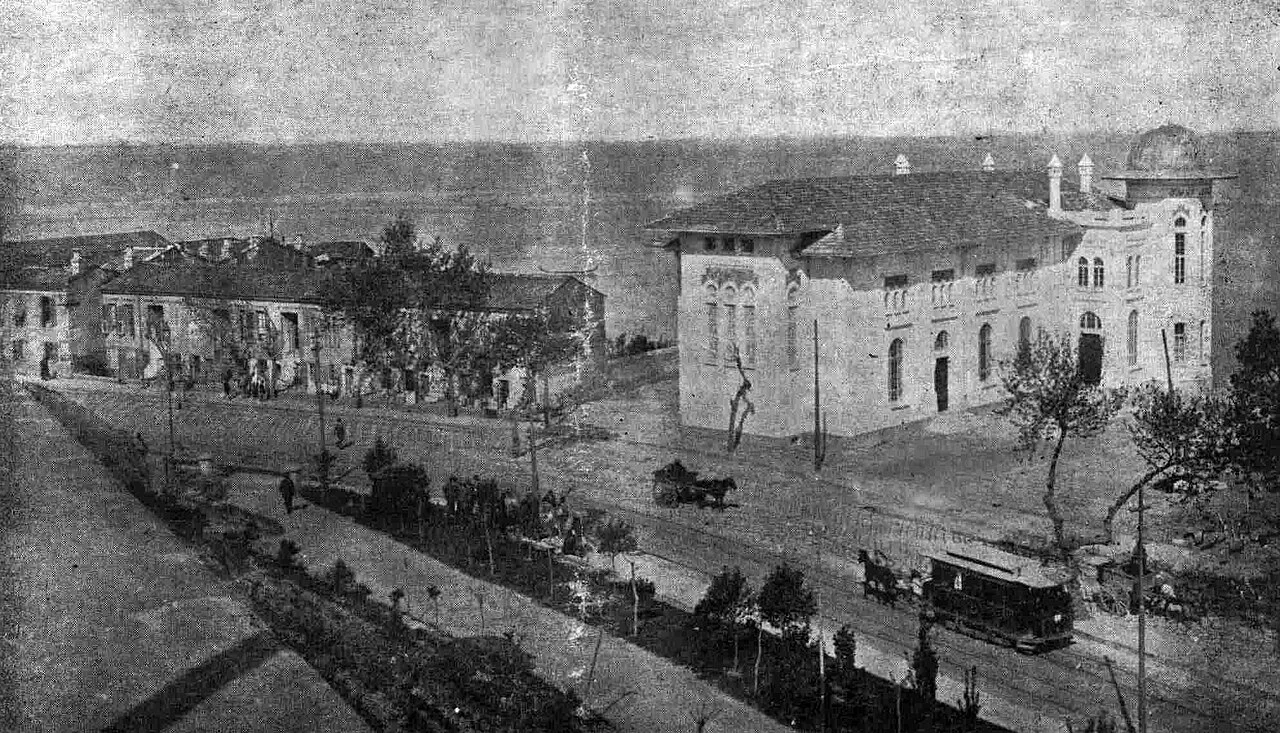
Bahribaba Parkı is one of central İzmir's oldest public parks, a green hillside in Yeşiltepe just above Konak Square, crossed by Birleşmiş Milletler Caddesi (the road locals call the Varyant). It is best known today as the setting of the İzmir Archaeology Museum, but the park itself has a layered story worth knowing before you visit. The ground was once a Jewish cemetery and, until the mid-19th century, marked the city's southern edge. A gravestone dated 1565 shows that the cemetery existed in the 16th century. When the coast road to Güzelyalı opened after 1883, the cemetery found itself in the middle of the growing city; tree planting began in 1910, and under Governor Rahmi Bey (1913-1918) the graves were moved to Gürçeşme. Work to lay out the park began in 1925 under Mayor Aziz Akyürek and was extended and completed in the 1930s. The park was renamed İnönü Parkı in 1942 and was also known as Vali Rahmi Bey Parkı before officially taking the name Bahribaba in 2000. The name comes from a local legend: the body of a dark-skinned man washed ashore at the old boatyards below, and the shipwrights buried him outside the cemetery wall. His grave became a shrine, and because he came from the sea he was called Bahri Baba, Father of the Sea. From the 1950s the Varyant road, a military plot, the old Şark Kahvesi and other buildings gradually cut into the green space. What remains is a shaded, terraced park where you can: - visit the İzmir Archaeology Museum, opened here on 11 February 1984 in a 5,000 square metre building, with finds from Smyrna, Ephesus, Pergamon, Miletus, Klazomenai and Teos and a garden of sarcophagi, stelae and inscriptions - see the neighbouring İzmir Ethnography Museum in the same grounds - walk down to Konak Square, the Clock Tower and Kemeraltı in a few minutes.
Images
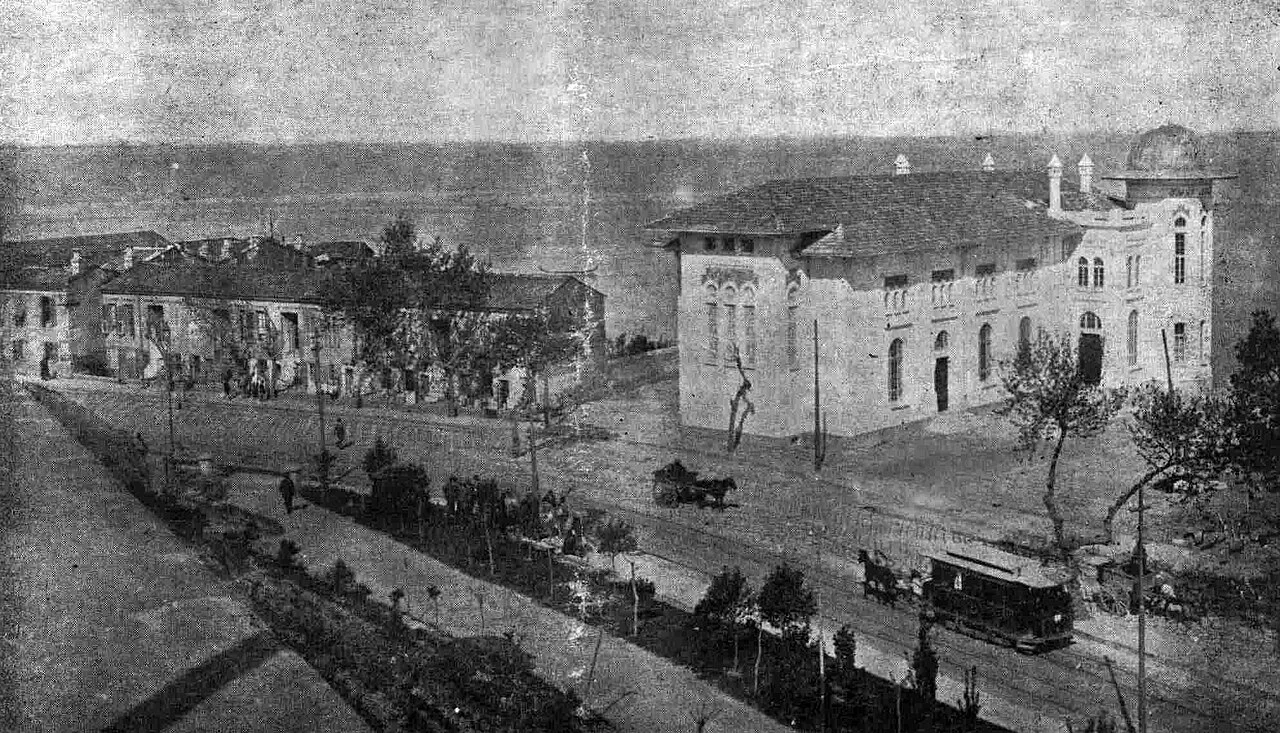
Image 1 of 2
Official sources
- OpenStreetMapChecked 2026-11-07
- İzmir Culture and Tourism Directorate: İzmir Archeology MuseumChecked 2026-11-10
- Kent Yaşam: İzmir'in en ünlü babası Bahri BabaChecked 2026-11-10
- Müze Kart: İzmir Arkeoloji MüzesiChecked 2026-11-10
- Visit İzmir (İzmir Metropolitan Municipality): Bahri Baba ParkıChecked 2026-11-10
Pass it on
Share this page
Send this İzmir guide to someone who will find it useful.