Çeşme Müzesi
Official website
muze.gov.trAbout Çeşme Müzesi
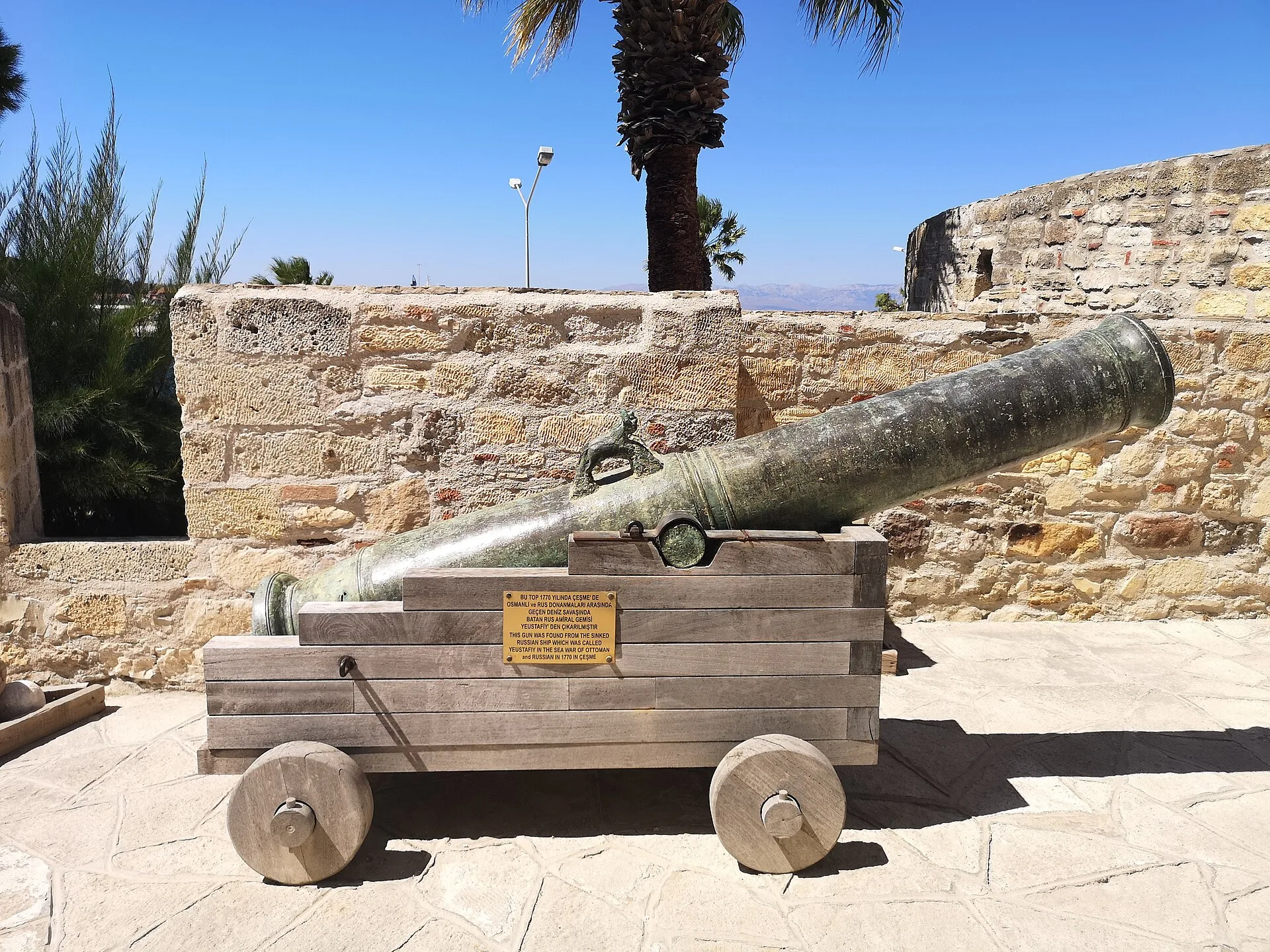
Çeşme Museum is the state archaeology museum housed inside Çeşme Castle, the well-preserved fortress that overlooks the harbour in the centre of Çeşme. It is run by the Ministry of Culture and Tourism and accepts the MüzeKart. The castle was first built by the Genoese towards the end of the 15th century to protect sea trade, and in 1508, under Sultan Bayezid II, it was enlarged for the governor of Aydın, Mir Haydar, by the architect Mehmet son of Ahmet, so that it shows both Genoese and Ottoman features. It covers about 11,000 square metres, with four towers, two on the shore and two on the ridge, and inside are a mosque, a fountain, water cisterns and vaulted rooms. The museum opened in 1965 as a weapons museum, displaying arms brought from Topkapı Palace in İstanbul. Humidity began to corrode them, so in 1984 they were moved to the İzmir Archaeology and Ödemiş museums and the halls were rearranged for archaeology. Today the displays feature finds from the excavations at the ancient city of Erythrai (Ildırı) and the Bronze Age settlement of Bağlararası in Çeşme: terracotta figurines of gods and goddesses, busts, marble statues, oil lamps, glassware, gold leaf and silver and bronze coins, along with a chronological display of amphorae used to carry grain, olive oil and wine. The lower floor of the Umur Bey Tower is devoted to the 1770 Ottoman-Russian naval battle of Çeşme, and the upper floor holds statues, stelae and Ottoman inscriptions. Cannons, cannonballs, architectural fragments and Islamic gravestones are displayed in the open areas of the castle.
Images
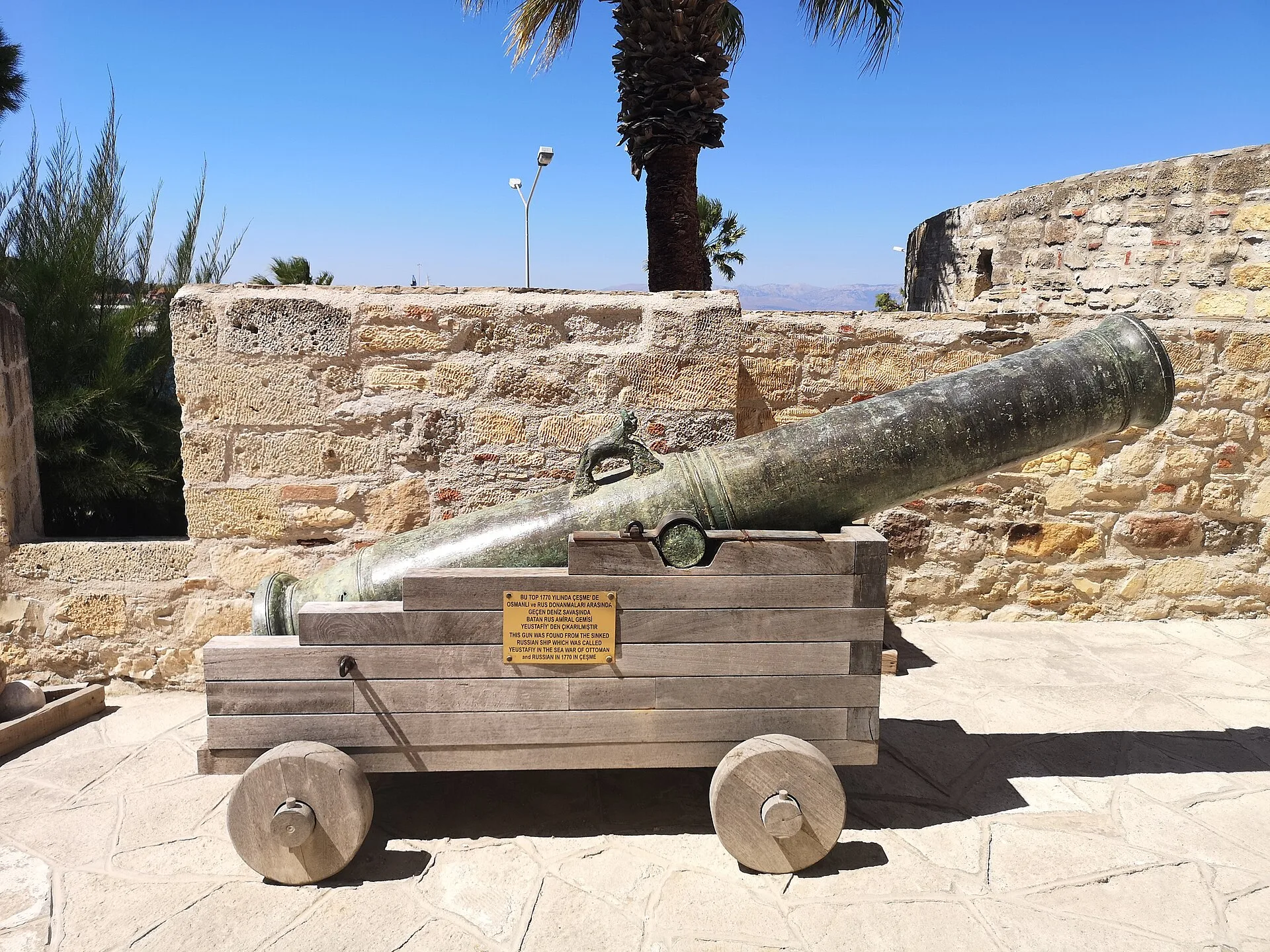
Image 1 of 4
Official sources
- OpenStreetMapChecked 2026-11-07
- Wikipedia: Çeşme MuseumChecked 2026-11-10
- İzmir Provincial Culture and Tourism Directorate: Çeşme MuseumChecked 2026-11-10
- KVMGM: İzmir Çeşme Müze MüdürlüğüChecked 2026-11-10
- Ministry of Culture museums portal: Çeşme MüzesiChecked 2026-11-10
Pass it on
Share this page
Send this İzmir guide to someone who will find it useful.